How Memory Roots the Soul
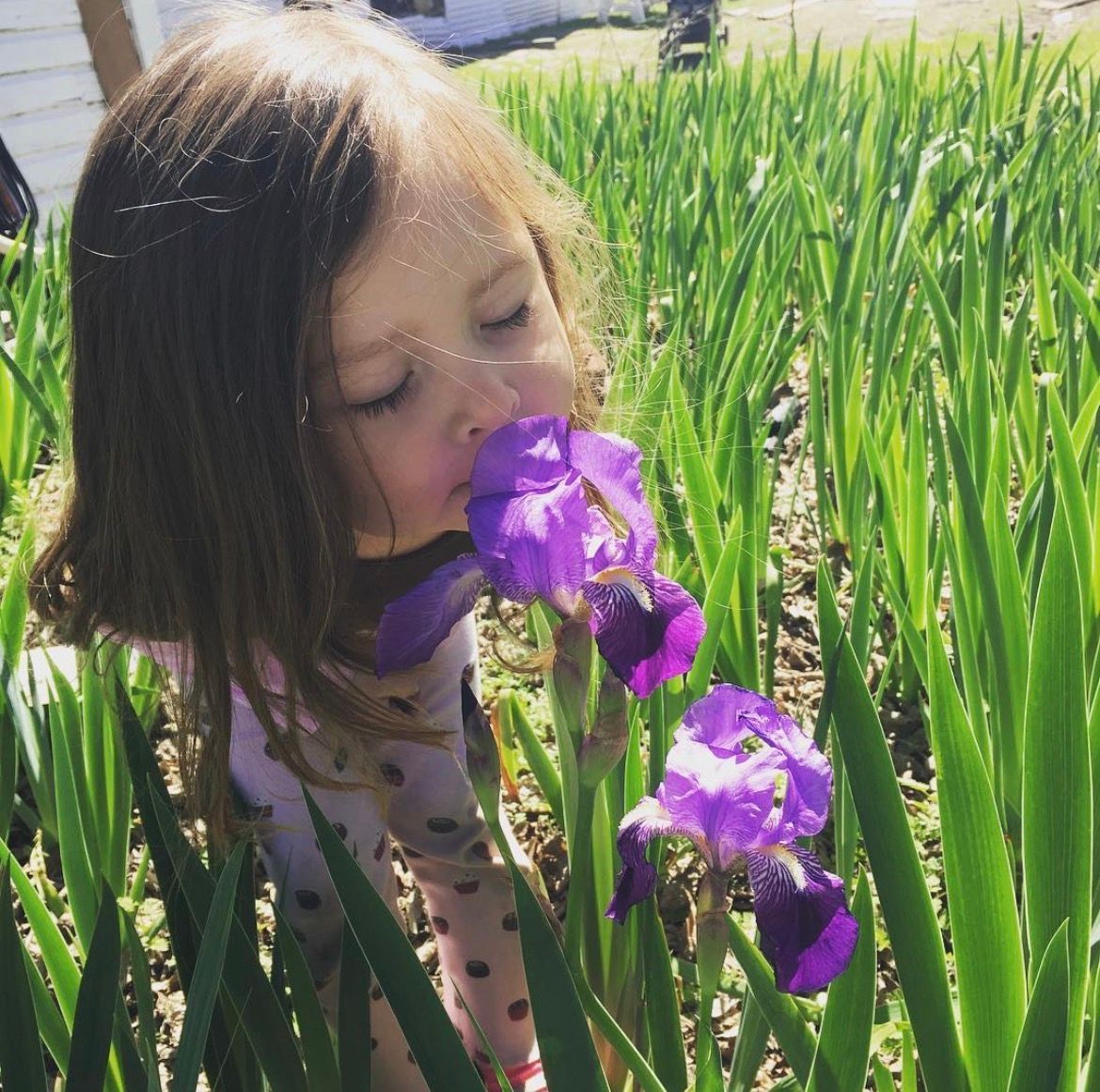
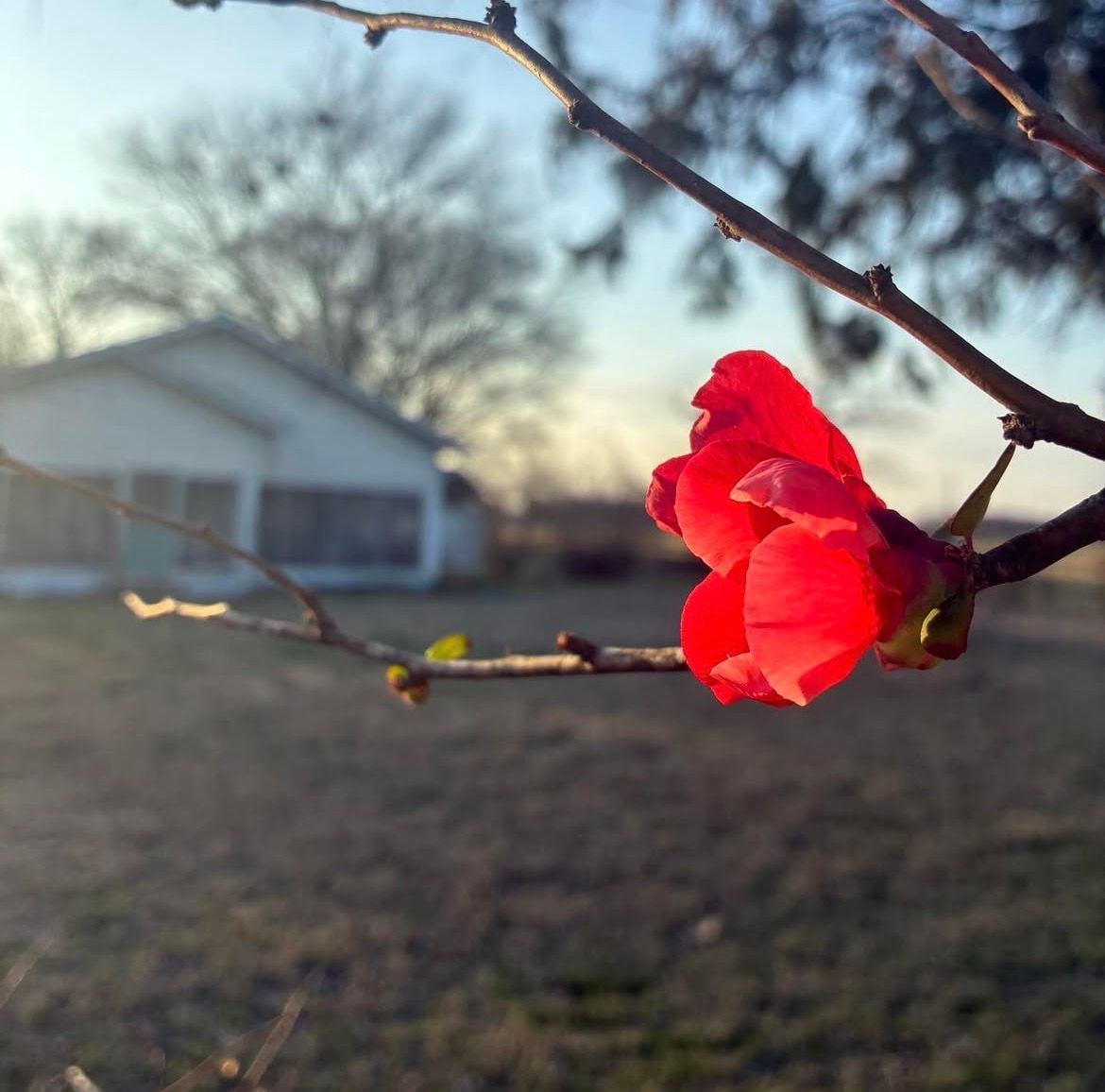
A patch of irises sits beyond our backdoor.
The iris have grown there longer than I can remember. They may have been planted by my great grandmother, or the Craven family who lived here before her.
I know they’ve weathered some hard years.
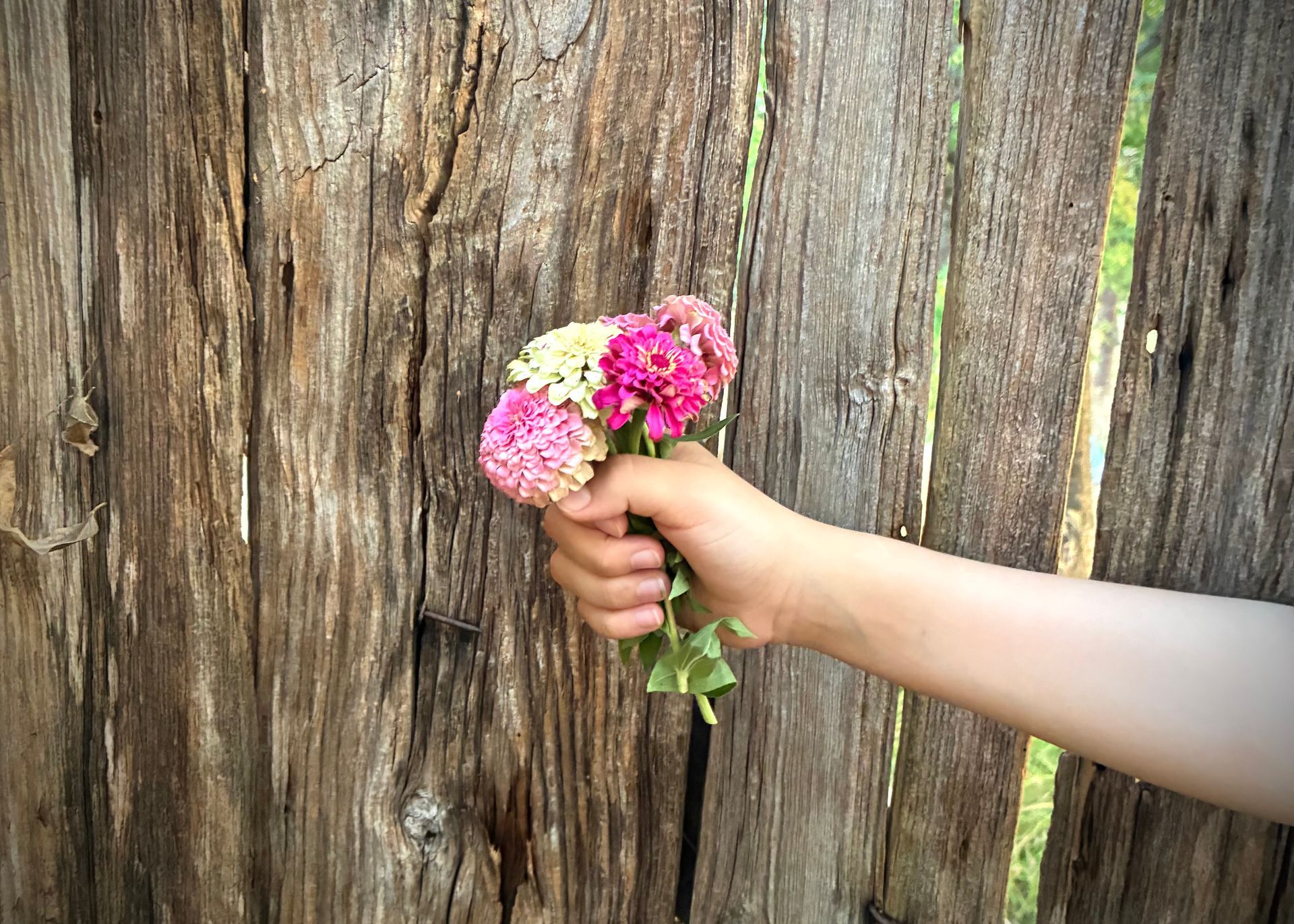
One year, a child picked them all just as they bloomed.
Some years, they bloom before the last winter freeze.
Before we lived at the farm, I’m told the whole iris patch was mowed down with aims to kill it for good. I don’t believe the iris bloomed that year, but they did grow back to bear their purple blooms.
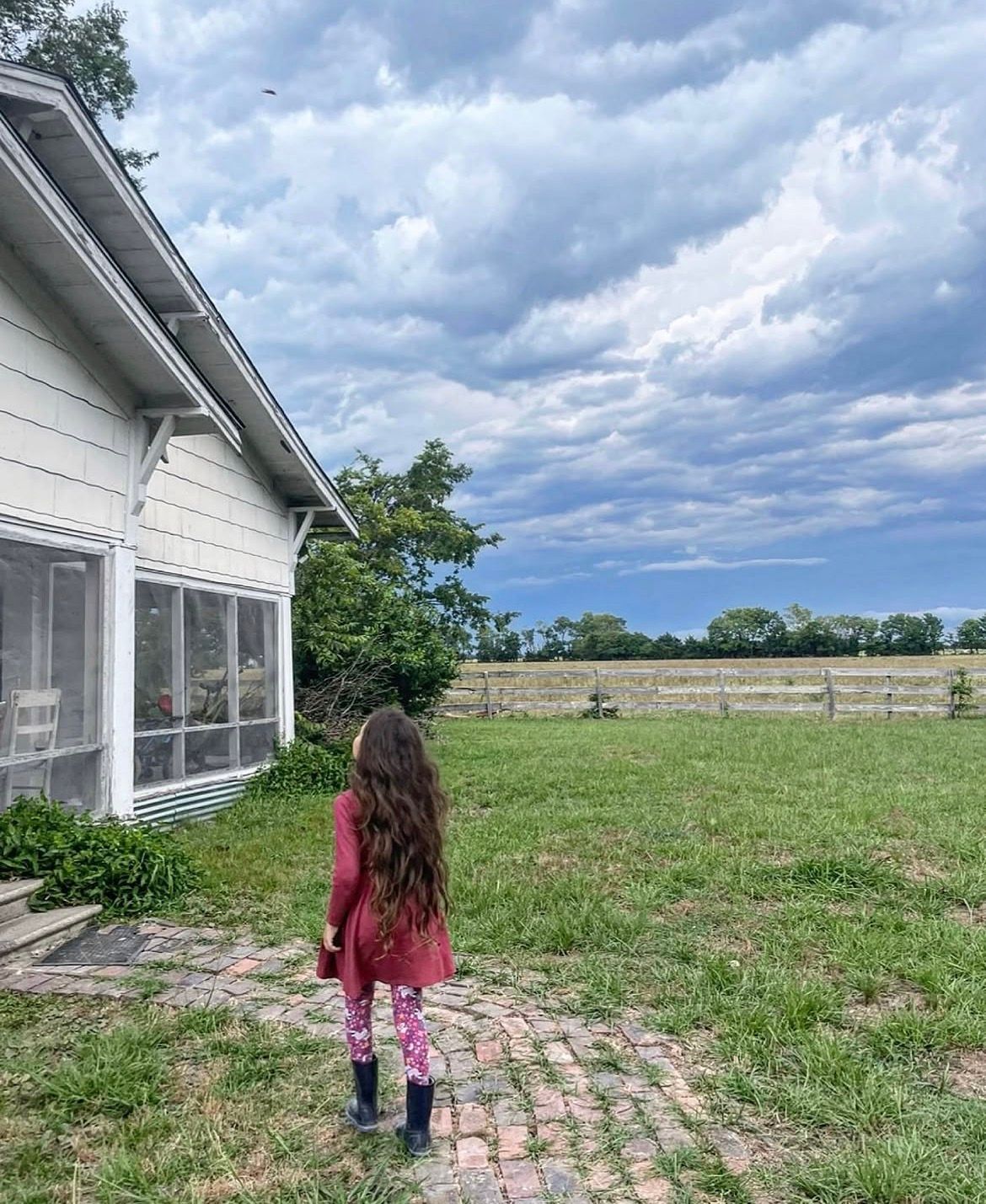
This summer, my girls dug in the dirt beside the patch and uncovered a hidden brick pathway. Somebody gave careful thought to how and where to plant those hardy perennials. Though I’ve yet to learn how to give them care, they still greet me every year with their color.
No matter how short a time the iris gets to bloom, no matter how the weather and the hands of others affect them, they follow their design. When the earth gets warm and damp after the cold, they turn beautiful again.
My kids’ discovery of the brick pathway gave me more thought to them this year, and how resilient they are. A few difficult years in a row won’t stop them. Even a lawn mower can’t kill them. These trials seem to result in more hearty growth to come.
An iris patch will produce blooms for an average of 3-5 weeks a year and the iris are content to stand as bare stalks for the rest of the time. It’s as if the iris is hardwired to know, even if a child picks her the very day she blooms, the whole year was worth it for the beauty she brought that day. So she’ll do it year after year.
When I think of the one who planted the iris patch, I think of the human struggle to trust the goodness of what we share with our hands, and with our lives. Some seasons you bloom just before the freeze. Some seasons you are mowed down by life. Perhaps a perennial faith keeps choosing to trust there is purpose in the bloom before, even despite the freeze—so there’s purpose in opening again.
Before I was born, hands planted a bulb in the dirt, not knowing who would enjoy it. And each day, hands are at work to share good gifts.
In Scripture, Job spoke of the resilience of plants that sprout again after being cut down (Job 14:7). When he remembered them, he remembered hope. And how he needed hope.
At the peak of bloom, Job’s life was mowed down. With all his livestock destroyed and his ten children killed, his flesh was eaten by pain, while his friends mocked him and his wife told him to go die.
In Job’s grief, he compared his life to a withered flower (Job 14:2). Yet even amidst those thoughts, he remembered the plants which sprout again, and though his memory of hope was a small passing thought, it was there in the growth he’d witnessed before—buried deep within him.
Rooted expectations are powerful no matter how softly they rise. Job’s life did bloom again. And perennial faith does not require that one never feel small, though it invites the soul to be awed by the simple memory of hope.
“For there is hope for a tree,
if it be cut down, that it will sprout again,
and that its shoots will not cease.
Though its root grow old in the earth,
and its stump die in the soil,
yet at the scent of water it will bud
and put out branches like a young plant.”
Job 14:7-9